My Image-Making Process with Stable Diffusion.cpp
My image-making process combines photographic thinking, prompt engineering, and locally executed AI image generation. Each image begins with a visual concept inspired by documentary photography, street photography, fashion imagery, or the aesthetics of early digital cameras.
I translate this concept into a detailed text prompt specifying the subject, pose, clothing, environment, lighting, perspective, and photographic texture. The prompt becomes an instrument of visual direction, allowing me to shape not only what appears in the image, but also its photographic character.
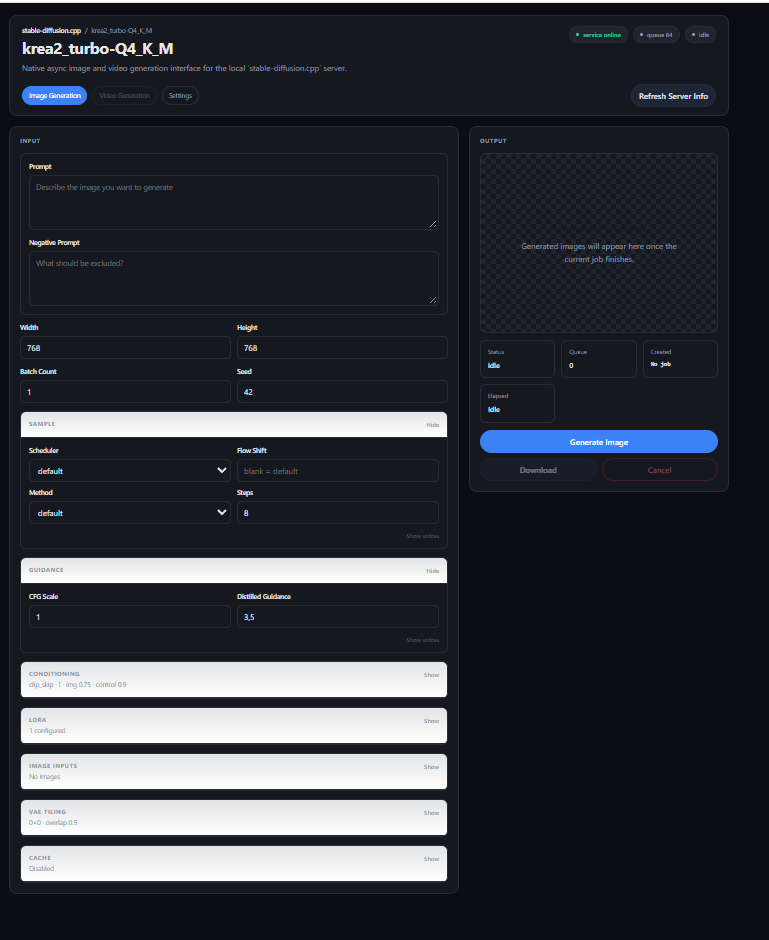
I generate the images locally using stable-diffusion.cpp, working with quantized image-generation models such as Krea2 Turbo. Model selection, prompts, seeds, guidance settings, and generation steps form part of the technical process. This setup allows me to experiment with different visual approaches and maintain control over the conditions of image production.
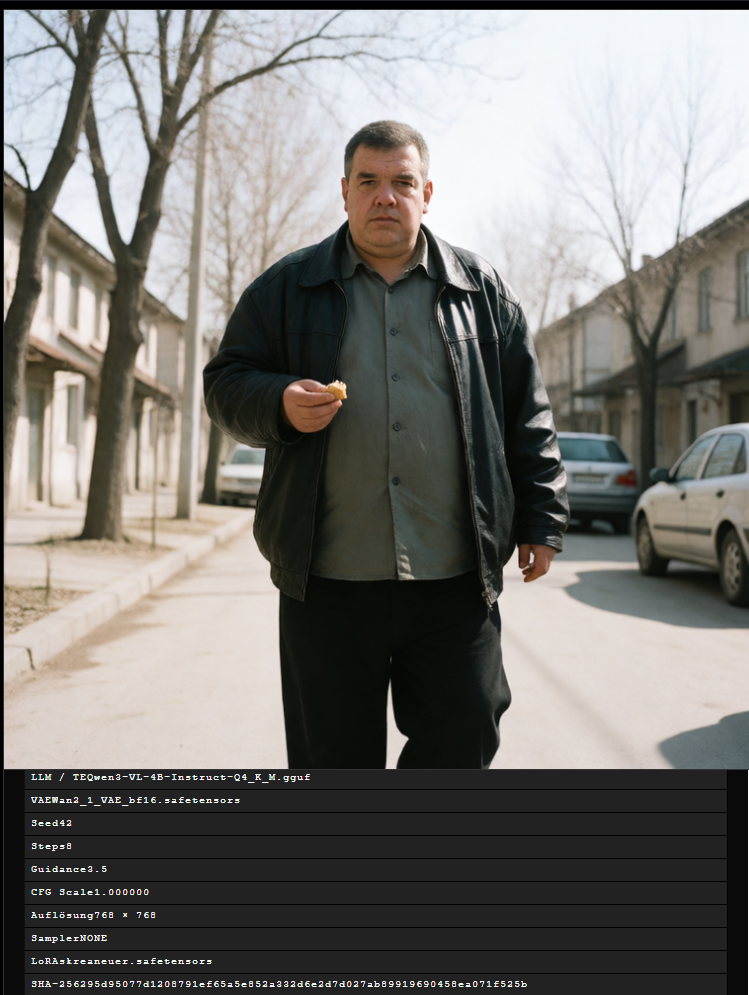
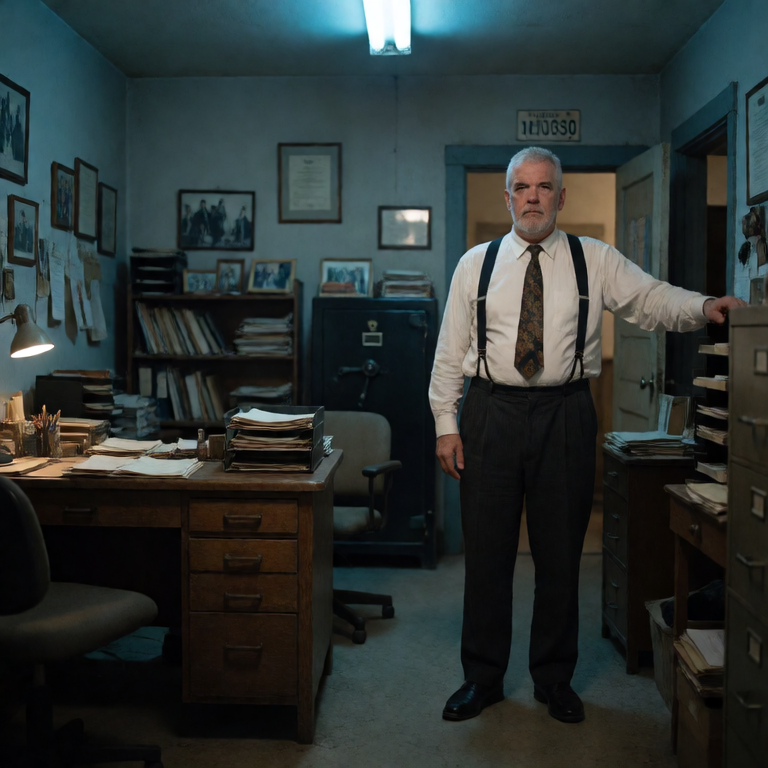
The resulting images explore the space between documentary appearance and constructed fiction. They may resemble candid street photographs, amateur snapshots, paparazzi images, or fashion editorials, while remaining products of algorithmic image synthesis. Imperfections, spontaneous gestures, direct flash, and the visual qualities of digital photography are deliberately incorporated into the process.
Each image can be accompanied by a provenance record documenting its creation date, software, model, generation parameters, LoRAs, prompt, and a SHA-256 hash. This technical documentation makes the conditions of image production transparent and establishes provenance as an integral part of the work.
Rather than concealing the artificial origins of the images, I make their production process visible. The relationship between image and documentation raises questions about photographic authenticity, identity, authorship, and the increasingly fragile boundary between documentary evidence and visual fiction.