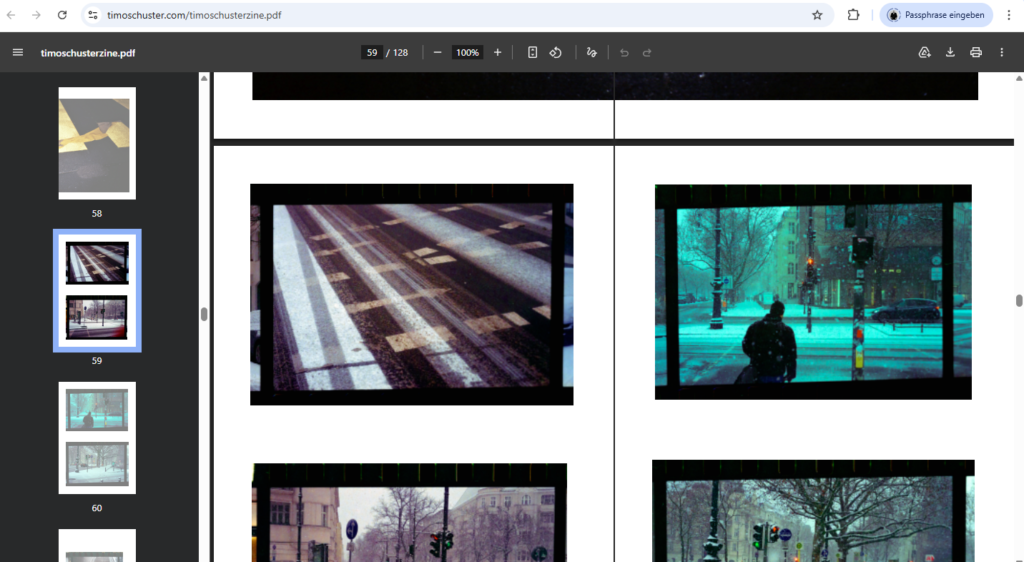
Timo Schuster is a Berlin-based photographer whose work explores identity, memory and the fragile boundary between documentary and fiction. Moving between fine art and editorial photography, his images combine intimacy with cinematic tension.
2024 KI-KÖRPERKULT (AI-Body Cult) | An exhibition by Timo Schuster | Sept 7–15, 2024 | Antikensaal, Mannheim Palace
2024 Permanent exhibition, Hoffnungstaler Stiftung Lobetal, Otto-Suhr-Allee location, Berlin
2023 Fragmente. Photography, exhibition at Hallenbad-Nord, Ludwigshafen. GML
2022 Essen, film contribution. Industrietempel Video Festival, Ludwigshafen. Projections on the Ludwigshafen power plant. GML
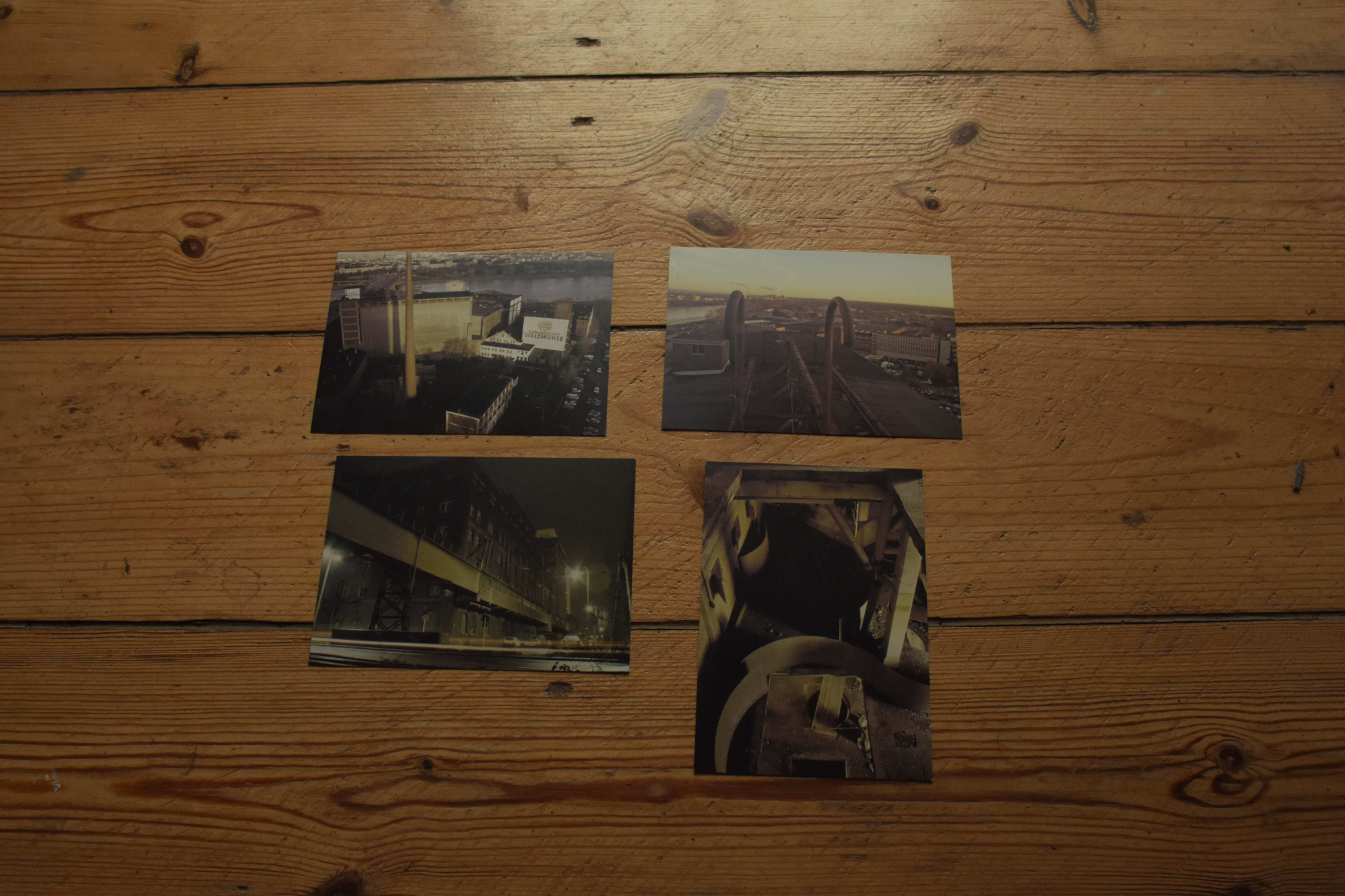
2021 Ludwigshafen-Übersetzungen (Ludwigshafen Translations). Photography + film, exhibition (2 weeks) at Hallenbad-Nord, Ludwigshafen. GML
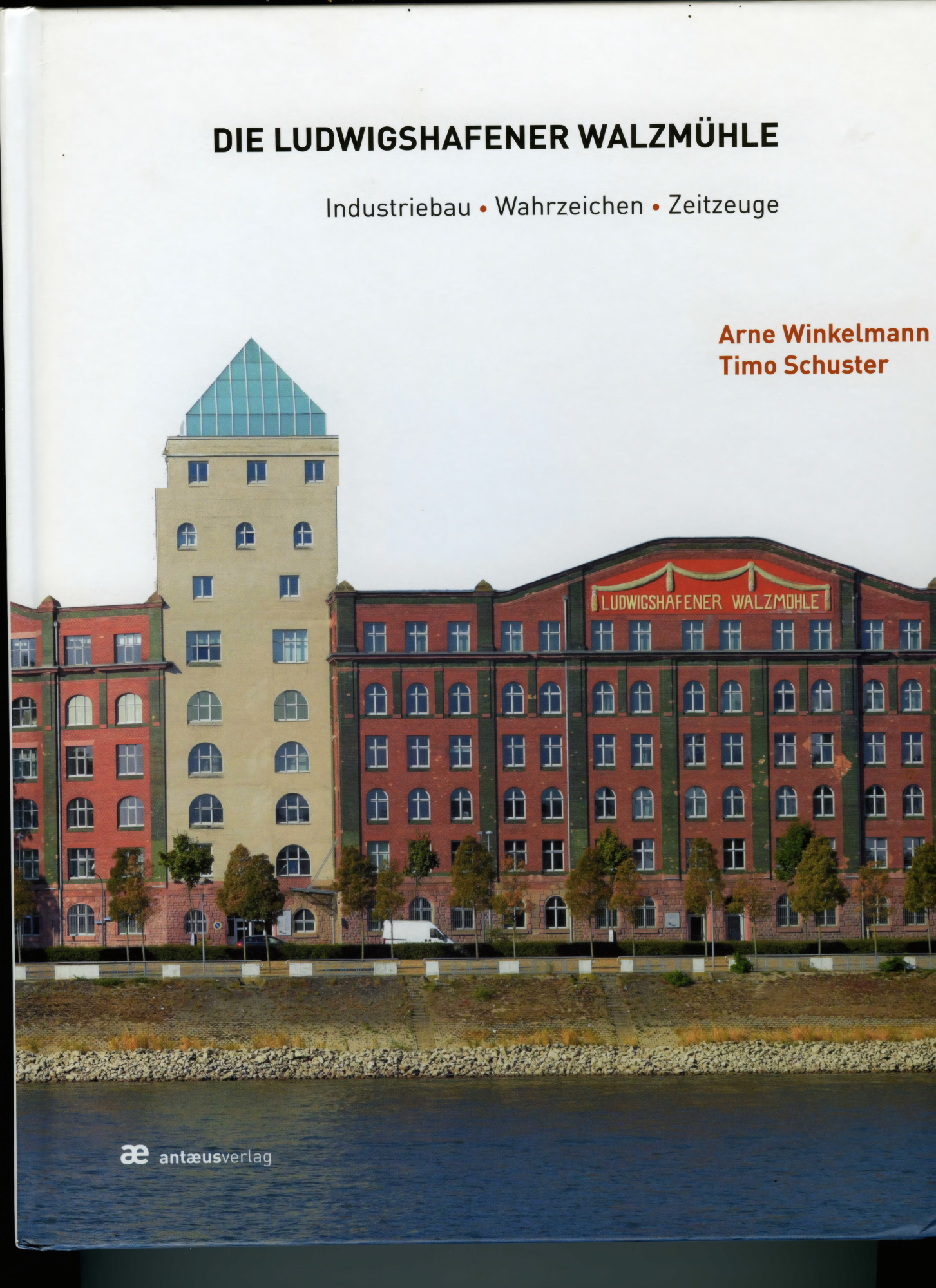
2021 Book publication Walzmühle, Timo Schuster (photographs) and Arne Winkelmann, Antaeus Verlag, Frankfurt
2020 Artist grant, Berlin Senate
2019 Sünde, Schuld, Reinigung (Sin, Guilt, Purification), triptych, audio and texts at Waschsalon Mannheim (4 weeks). Funded by the state government of Baden-Württemberg
2018 Utopie aus Industrie – Von der Walzmühle zur Denkfabrik (Utopia from Industry – From the Rolling Mill to the Think Tank), 27 photographs at the Ernst Bloch Center, Ludwigshafen. Funded by the state of Rhineland-Palatinate
2017 „Let’s get away to Ludwigshafen,“ WowArtLu, 28 photographs, vacant space, Ludwigshafen
1997–2001 Marketing Communications, Diplom-Betriebswirt (equiv. to a Bachelor’s/Diploma in Business Administration), Pforzheim University
Timo often works with fragments. His art does not emerge from a distant or detached perspective, but from lived experience. Crises, ruptures, and memories form the foundation of his search for a place in the world. He works across different media, including photography, film, text, and images generated with artificial intelligence. His practice explores identity and reality in the tension between observation and the feeling of losing oneself.
His path began in Ludwigshafen, where he grew up in a working-class family. Before dedicating himself fully to independent artistic work, he worked in advertising and media. He was deeply shaped by Catholic rituals, the industrial landscapes of his hometown, and the constant feeling of both belonging and wanting to escape. This tension continues to define his work today. He frequently photographs marginal places — empty rooms, transitional urban spaces, and environments caught in states of transformation. His intention is not simply to document reality, but to create an atmosphere of psychological density and emotional unease.
A central aspect of his work is the exploration of extreme psychological states. Timo speaks openly about his experiences with psychosis, anxiety, and hearing voices. He does not view these experiences merely as illness, but as a particular way of perceiving the world. They have heightened his sensitivity to language, social structures, and emotional space. One recurring theme in his work is the conflict between creative energy and the numbing effects of medication. For him, art is not a form of therapy, but a strategy for survival and self-assertion.
In his more recent projects, he combines classical photography with digital processes and AI-generated imagery. What interests him is not technical perfection, but the question of how reality itself is perceived today. As he puts it, contemporary life can only be seen in fragments. For him, art is an open process that is never truly complete.
His exhibitions and projects, shown among other places at the Ernst Bloch Center, connect personal experience with broader social themes. He engages with subjects such as body culture, guilt, isolation, and digital identity. Rather than approaching these topics theoretically, he seeks to make them emotionally and physically tangible.
Timo can be described as someone in a constant state of searching. He transforms uncertainty and the fractures of his own life into an artistic language. His works reveal how fragile perception can be, while at the same time opening new ways of looking at reality.